
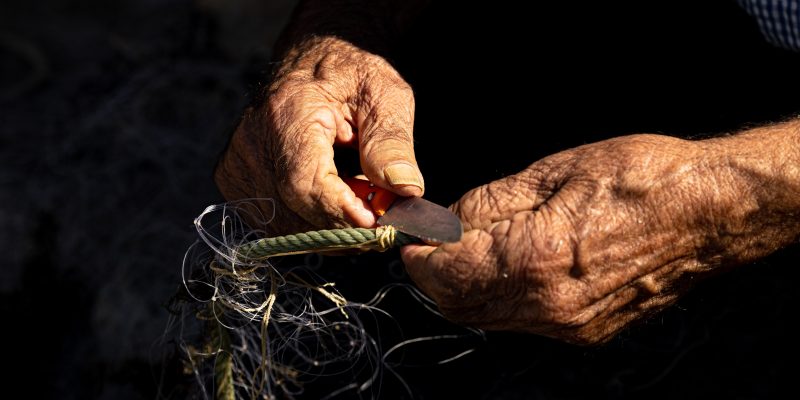
Andalusian trades we must protect before they disappear
When an animal species or a plant becomes endangered, alarms are raised. Conservation plans are launched. Awareness follows.
We speak of biodiversity, balance, and legacy.
Yet when an ancestral trade disappears, it often happens in silence.
Across Andalusia, many traditional professions are now critically endangered, even if they do not appear on any official list. They have no protected reserve, no preservation program. And yet, they are as fragile—and as essential—as any threatened ecosystem.
At MarbellaTrips, we understand these trades as living heritage. Not folklore. Not performance. But cultural species that must be observed, understood, and actively protected in order to survive.
Come and discover ancient Andalusian trades before they disappear.
We have identified some Andalusian trades on the verge of extinction and have designed an experience so you can discover them before they disappear, or help us preserve them.
Flamenco: an endangered cultural ecosystem
Conservation status: vulnerable to critical
Flamenco is often presented as a performance. In reality, it is an ecosystem.
Behind the stage live the guitar makers, the singers who learned by listening rather than studying, the dancers whose bodies carry generations of rhythm, and the musicians who transmit knowledge orally, late at night, without scores or scripts.
Many of these figures survive on the margins, displaced by commercialized versions that are easier to sell but poorer in meaning. Without spaces for intimacy, transmission, and respect, flamenco risks becoming a museum piece rather than a living language.
To experience flamenco in its natural environment—a rehearsal, a private gathering, a conversation with a cantaor or bailaora—is not entertainment.
It is cultural conservation.
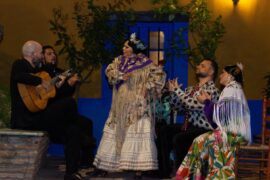
Guitar makers, luthiers, and instrument craftsmen
Conservation status: endangered
The flamenco guitar is not manufactured; it is born.
Luthiers work with wood that has aged for decades, guided by ear rather than machine. Each instrument is unique, tuned to the hand and soul of the musician who will play it.
As mass production replaces mastery, many workshops close quietly. Preserving this trade means preserving the sound of Andalusia itself.
Flamenco musicians, singers, and dancers
Conservation status: vulnerable
Cantaors, guitarristas, palmeros, bailaores. Professions that demand a lifetime of dedication with little economic security. Their training is informal, intimate, and deeply human.
Without opportunities to be seen, heard, and valued in the right context, this knowledge risks disappearing—not through lack of talent, but through lack of time.
The bullfighter and the ranch foreman
Conservation status: vulnerable
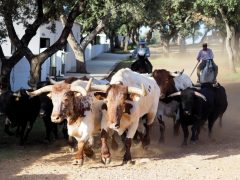
The bullfighter cannot exist without the ranch foreman, the horseman, the guardian of the fighting cattle. These figures belong to a rural ecosystem where knowledge is passed orally, from generation to generation.
Visiting a breeding ranch is much like entering a natural reserve: nothing is staged, everything is observed. The traveler becomes a witness, not a spectator.
The artisans of clay, esparto grass, and leather
Conservation status: endangered
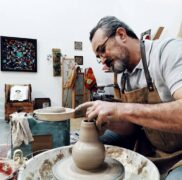
Potters, ceramicists, basket weavers, leather workers, coopers, blacksmiths. Trades rooted in natural materials and slow processes. Each workshop that closes is the cultural equivalent of an endemic species disappearing forever.
The traditional farmer and olive grower
Conservation status: critical
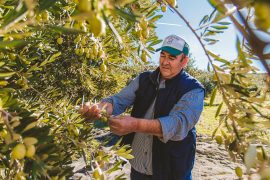
The farmer who tends a centuries-old olive grove or a family orchard is a custodian of the landscape. Without them, the land is abandoned, eroded, or industrialized.
The pastoralist and free-range cattle breeder
Conservation status: critically endangered
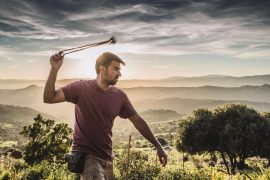
The shepherd has become almost mythical, yet this profession maintains ecosystems, prevents wildfires, and preserves native breeds.
The sourdough baker and the miller
Conservation status: vulnerable
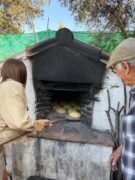
Traditional mills and wood-fired ovens are vanishing quietly. Protecting this trade means protecting time as an ingredient.
The artisanal fisherman and the almadraba master
Conservation status: endangered
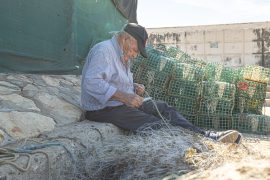
Traditional fishing methods survive against industrial systems. The artisanal fisherman understands the sea as a living system, not a resource.
The winemaker and cellar master
Conservation status: vulnerable
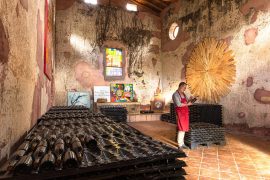
Wine is not produced; it is raised. The cellar master guards patience and unwritten knowledge.
The saddler, chair maker, and traditional carpenter
Conservation status: endangered
Trades tied to horsemanship, handcrafted furniture, and traditional architecture are disappearing rapidly.
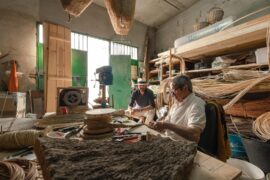
Traveling with purpose, leaving a positive impact, as an act of conservation.
Traveling today can be an extractive act… or an act of protection. At MarbellaTrips, we choose the latter.
We design experiences that help people who practice endangered trades find a new source of income, such as cultural preservation projects, where the traveler becomes an ally, not a consumer.
Each visit, each conversation, each private experience generates visibility, sustainable economic value, pride, and continuity, as well as an unforgettable memory for the traveler.
Because a trade that is known is respected. A trade that is respected is protected. And a trade that is protected can survive.
Before it’s too late.
If these people disappear, and with them their trades, there will be no possible recreation. There will be no substitute. There will be no copy.
As with extinct species, only the memory will remain.
We cannot forget that tourist destinations are made up of human beings who receive other human beings.
True luxury today is not about accessing the exclusive, but about preserving the irreplaceable.


Deja una respuesta